How Often Should You Clean Your Solar Panels in New York?
New York's four seasons, including pollen, bird activity, and leaf fall, affect panel output more than most homeowners realize. Here's our seasonal cleaning guide.
Solar panels are one of the few home investments that are supposed to pay you back, and they only do that when sunlight actually reaches the cells. In the Hudson Valley, our four real seasons each leave something behind on your panels, and most homeowners never realize how much production they are quietly losing. Here is a straight answer on how often to clean, and why New York's climate sets the schedule.
Why Dirty Panels Produce Less
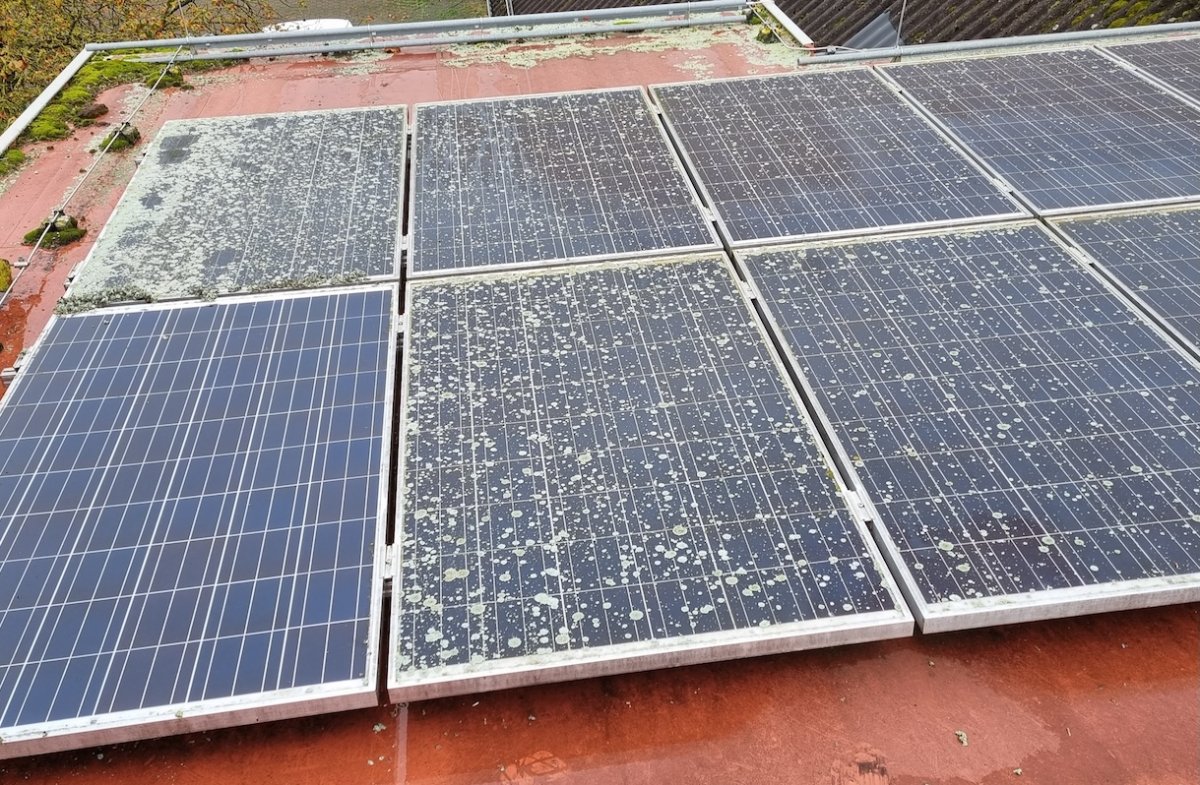
A solar panel makes power from the light hitting its surface. Anything sitting on that surface, whether it is a film of pollen, a layer of road dust, or a few bird droppings, blocks part of that light and lowers output. The drop is gradual, which is exactly why it sneaks up on people. Your panels still look like they are working, your bill just slowly creeps up.
How Much Output You Can Lose
Industry studies and field reports generally put the loss from dirty panels somewhere in the range of about five to twenty-five percent, depending on how dirty they get and where you live. Light, ordinary soiling tends toward the lower end, while heavy buildup, concentrated bird droppings, or panels near dusty roads and farms push higher. Even a modest loss adds up over a year of production, which is why cleaning is one of the cheapest ways to protect a system that cost you thousands to install.
A Seasonal Schedule for New York
For most Hudson Valley homes, cleaning once or twice a year keeps panels performing. Spring is the single most valuable time, right after pollen season blankets everything in yellow. A second cleaning in the fall clears the dust and debris that built up over summer. Winter snow usually slides off tilted panels on its own, but the grime underneath does not, so panels can come out of winter dirtier than they look. If you only clean once, do it after spring pollen.
What Makes Some Homes Need More Frequent Cleaning
Not every roof is the same. Homes surrounded by mature trees deal with constant pollen, sap, and falling debris, plus more birds perching overhead. Properties near fields, farms, or busy or unpaved roads collect more dust. Lower-tilt panels hold dirt and water longer than steeply angled ones. If your home checks any of those boxes, you may benefit from cleaning more than twice a year. We are happy to look at your setup and recommend a realistic cadence rather than overselling you.
Does Rain Clean Them Enough?
This is a fair question, and the honest answer is that rain helps but does not finish the job. A good downpour rinses off loose dust, which is part of why panels in our wetter climate fare better than panels in a desert. What rain does not remove is the sticky, bonded grime, the pollen film, the bird droppings, and the mineral spotting that water leaves behind as it dries. Those are the deposits that keep dragging on output, and they are what a real cleaning takes care of.
How We Clean Panels Safely
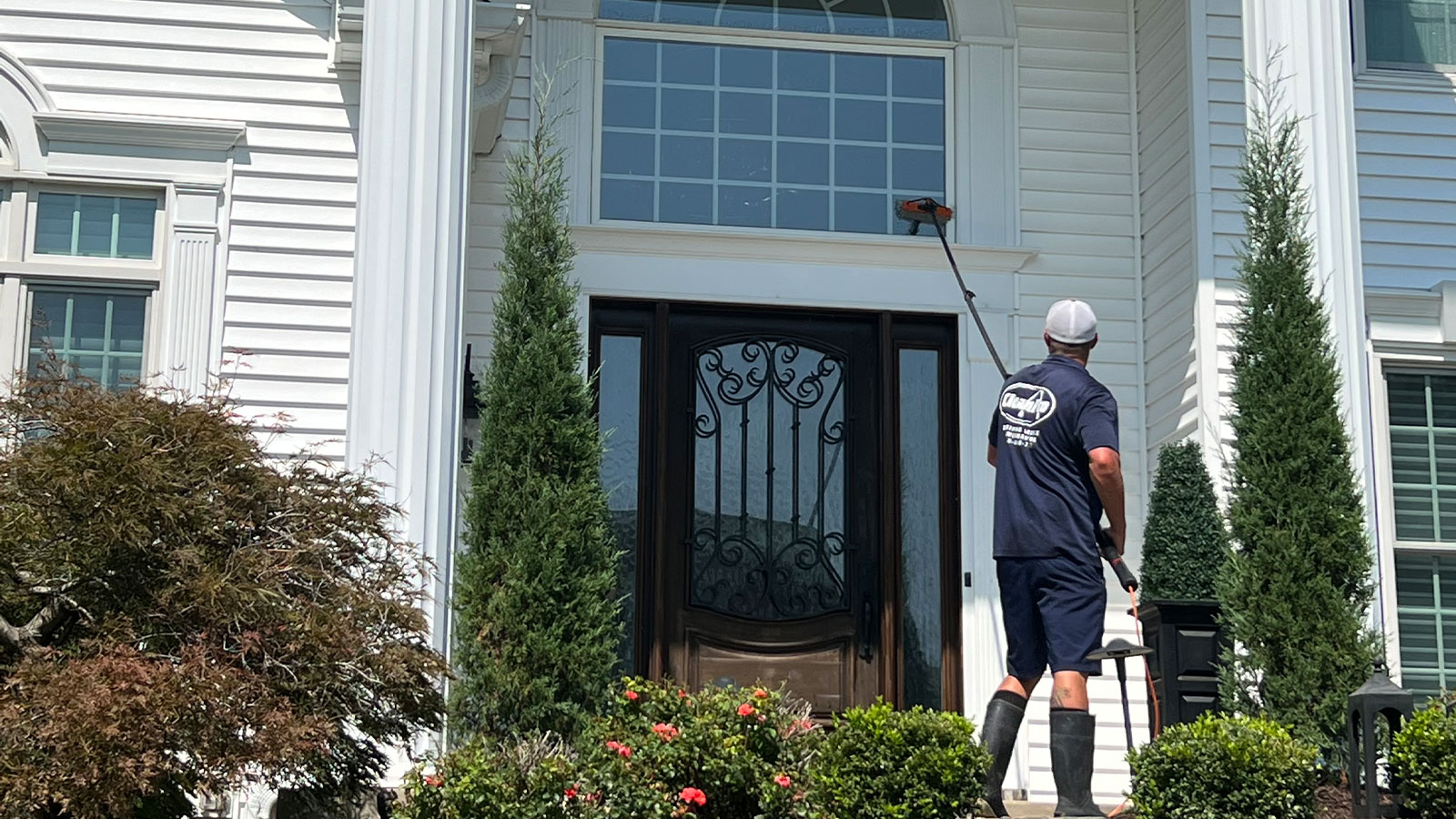
We clean panels with deionized water and soft brushes or water fed poles. Deionized water rinses away without leaving the mineral spots that ordinary tap water can, and the soft-touch method is gentle on the panel surface and seals, which matters on equipment built to last decades. We clean rooftop and ground arrays without walking on the modules or using harsh tools that could scratch them or affect coverage. See our solar panel cleaning service for the full rundown.
If your production has slipped or your panels have simply never been cleaned, a professional cleaning is an easy win. We turn around quotes within 24 hours. Call or text (845) 245-8619 to get started.
Related Reading